
Some posts on this site contain affiliate links. If you book or buy something through these links, I earn a small commission (at no extra cost to you). Take a look at my privacy policy for more information.
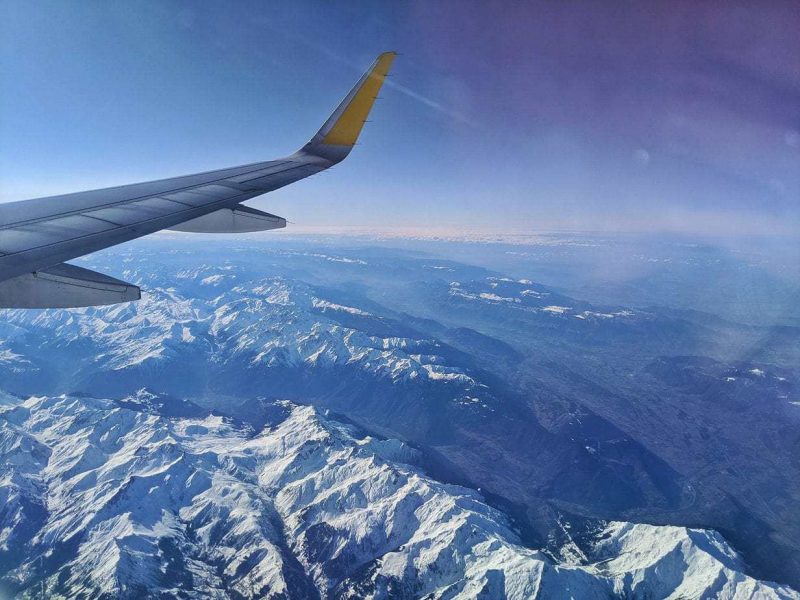
The idea of boarding a plane or hopping on a train without a companion can feel terrifying. For many, the first thought isn’t about the beautiful sights, but rather: “Who will I talk to?” or “What if I get lost?” We are social creatures, and we are used to having friends or family members act as a mirror, reflecting back who we are and what we should do.
However, stepping away from everyone you know is one of the fastest ways to learn who you really are. When you remove the influence of others, you are forced to rely on your own mind and your own strength. Solo travel is more than just a vacation; it is a powerful psychological tool for self-discovery. It is a chance to reset your brain, build unshakable confidence, and realise that you are far more capable than you ever imagined.
Finding Mental Peace
One of the greatest burdens we carry at home is the “mental load” of compromise. Every day, we negotiate our needs with those around us—partners, children, friends, or coworkers. We eat where they want to eat, watch what they want to watch, and follow schedules that suit everyone else. When you travel alone, that burden disappears. The relief of doing exactly what you want, when you want, without asking for permission, is a profound mental reset.
This freedom allows for a “thought audit.” Without the constant noise of other people’s opinions, the thoughts you’ve been burying often rise to the surface. You might finally solve a problem that felt “stuck” back home or spark a creative idea that you didn’t have space for in your daily routine. While some use the Liven app to find quiet moments of mindfulness in a busy city, solo travel provides a natural, immersive version of that peace. The silence of a long train ride or a quiet morning in a foreign park clears the mental fog, allowing you to hear your own voice clearly for the first time in years.
Building Your “I Can Do It” Muscle
Confidence isn’t something you are born with; it is something you build through experience. In psychology, this is called self-efficacy—the belief in your ability to handle tasks and challenges. When you travel with others, you often split responsibilities. One person handles the map, while another handles the language or the money. When you travel alone, you are the entire team.
Initially, small travel problems—like missing a bus, reading a confusing map, or ordering a meal in a language you don’t speak—can feel like disasters. But every time you solve one of these “micro-problems,” you build a new layer of confidence. You realise that even if things go wrong, you have the skills to fix them. This teaches you to trust your intuition. Without a second opinion to lean on, you learn to listen to your “gut feelings” and trust your own judgment. Over time, you stop feeling like a tourist and start feeling like a hero in your own story.
Turning Fear into Freedom
The biggest obstacle to solo travel is the fear of being lonely. There is a common misconception that being alone means being sad. However, solo travel teaches you the difference between loneliness and solitude. Loneliness is a feeling of lack, but solitude is a skill. It is the ability to be comfortable and happy in your own company.
Once you learn this skill, you become unstoppable. You no longer wait for someone else to be “free” before you go see a movie or visit a museum. You gain the freedom to move through life on your own terms. Interestingly, travelling alone often makes you more social. When you are with a group, you stay in your “bubble.” When you are alone, you are more likely to strike up a conversation with a local or another traveller. This builds “social courage,” helping you realise that the world is generally a much friendlier and more connected place than it appears on the news.
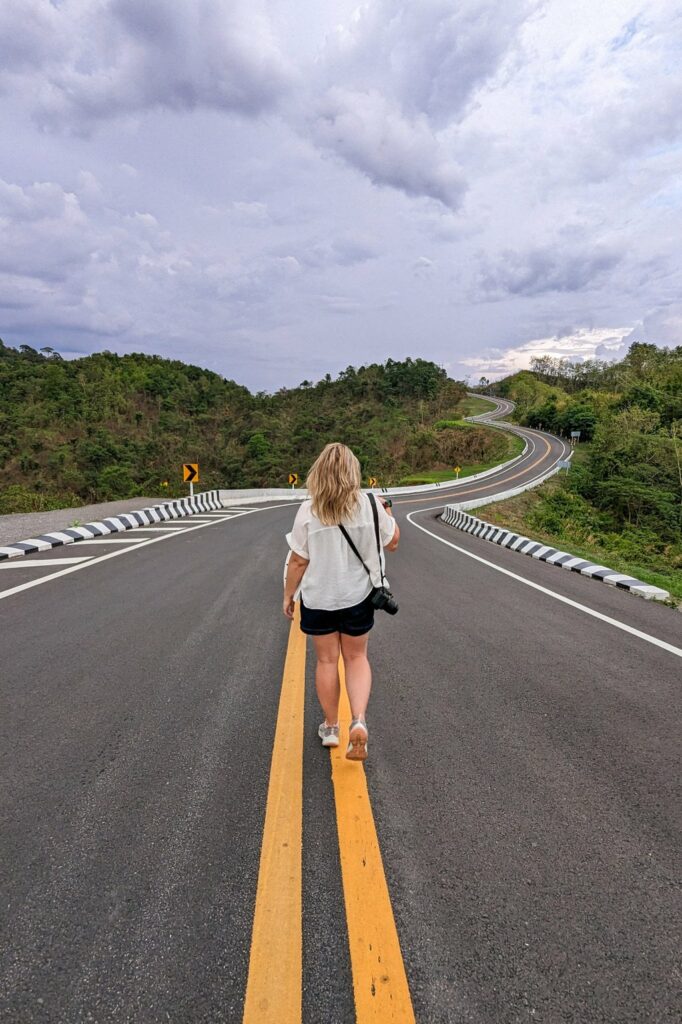
Bringing Your New Self Home
The best part of solo travel isn’t the photos you take; it’s the person you become by the time you fly home. People often return with a “solo glow”—a quiet, steady confidence that changes how they handle stress in their daily lives. The problems that used to cause panic, like a difficult project at work or a disagreement with a family member, suddenly feel much smaller. You remember that you navigated a foreign city by yourself, so you can certainly handle a tough meeting.
This new mental clarity also leads to better boundaries. Because you’ve spent time alone figuring out what makes you happy, you are less likely to say “yes” to things that drain your energy or don’t serve you. You come home with a clearer sense of your own values and a stronger spine. You realise that you don’t need to depend on others for your happiness or your sense of security.
Final Word
The greatest relationship you will ever improve through travel is the one you have with yourself. You don’t need a partner or a group of friends to have a big, adventurous life. In fact, some of the most important growth happens when there is no one else around to witness it.
Solo travel proves that you are your own best friend and your own most reliable teammate. It teaches you that you are brave, resourceful, and great company. So, if you’ve been waiting for someone to go with you, stop waiting. The world is waiting for you, and you are already in the best company possible.