
Some posts on this site contain affiliate links. If you book or buy something through these links, I earn a small commission (at no extra cost to you). Take a look at my privacy policy for more information.

Travel is more than just a luxury or a break from work; it is a vital psychological tool. Staying in one place too long often leaves us feeling stuck in a repetitive cycle of familiar walls and chronic worries.
Travel acts as a powerful “reset button” for the brain, pulling us out of our comfort zones and forcing our minds to wake up. By changing your surroundings, you break old patterns and engage with the world in a fresh way. Ultimately, getting away isn’t just a treat—it is one of the most effective ways to improve your mental health.
More Than Just a Vacation
The true power of travel lies in its ability to break our patterns. Most of us live our lives on autopilot. We perform daily tasks without really thinking about them. While this is efficient, it can also lead to a feeling of being “stuck” or bored. When you travel, everything is new. You have to pay attention to where you are walking, what you are eating, and how to communicate.
This shift from autopilot to “active awareness” is incredibly healthy. It forces you to live in the present moment. You aren’t worrying about a meeting next week or a bill from last month because you are too busy figuring out the local train map or admiring a beautiful sunset. This mental break is exactly what the brain needs to recover from the chronic stress of daily life.
Your Brain Loves New Challenges
Your brain is a bit like a muscle; it needs exercise to stay strong. When you are at home, your brain doesn’t have to work very hard because it knows what to expect. Travel provides a healthy kind of “workout.” Navigating a city where the signs are in a different language or trying to figure out a new currency keeps your mind sharp.
These challenges improve what psychologists call “cognitive flexibility.” This is your ability to adapt to new situations and think of creative solutions to problems. To help manage these new experiences, many travellers use a wellbeing app to track their stress levels or practice quick meditation sessions during transit. This combination of mental challenge and mindful support helps you stay calm even when things don’t go as planned.
By the time you get home, you’ll find that you are much better at handling the small stresses of your normal life because you’ve proven to yourself that you can handle much bigger challenges abroad.
Building Confidence Away From Home
One of the greatest benefits of travel is the boost in self-confidence. At home, we often rely on our friends, family, and familiar tools to get things done. When you are in a foreign place, you have to rely on yourself.
Every time you successfully order a meal, find your way back to your hotel, or navigate a difficult conversation, you are building “self-efficacy.” This is the belief that you are capable of handling whatever life throws at you.
That “I did it!” feeling you get after a day of successful exploring doesn’t disappear when you land at the airport. You carry that confidence back into your job and your relationships, feeling stronger and more capable than before.
Breaking the Cycle of Worry
Many people struggle with “rumination,” which is just a fancy word for thinking the same negative thoughts over and over again. When we are in our usual environment, everything around us can act as a trigger for those thoughts. The kitchen table reminds you of a difficult conversation; your desk reminds you of a stressful project.
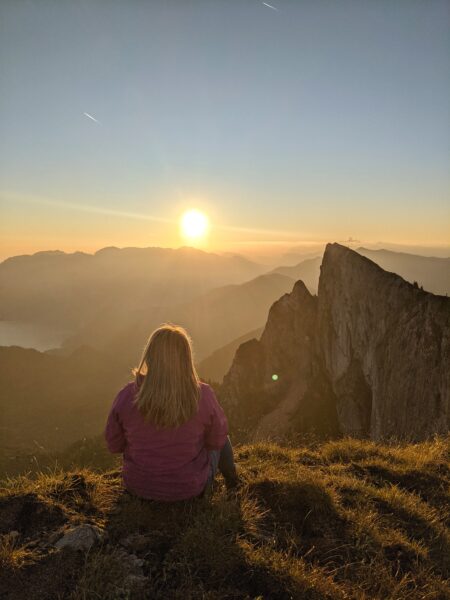
Travel physically removes you from those triggers. It is much harder to overthink your problems when you are looking at something stunning, like a mountain range or a historic cathedral. The sheer scale of the world can make your personal problems feel smaller and more manageable. This perspective shift is a powerful tool for lowering anxiety and clearing the “mental fog” that often comes with a busy lifestyle.

Seeing the World Differently
Travel also helps us feel more connected to other people. When we stay in our own “bubble,” it’s easy to become fearful or suspicious of things that are different. But when you travel, you quickly realise that people everywhere share the same basic joys and struggles.
You see parents playing with their children in a park in Italy, just like they do at home. You see people laughing with friends in a cafe in Japan.
This realisation creates a sense of “common humanity.” It lowers social anxiety and makes you feel like you are part of something bigger. Instead of feeling lonely or isolated, you start to see yourself as a citizen of the world. This sense of belonging is a key ingredient for long-term happiness and mental stability.
Bringing the Good Feelings Home
The biggest mistake people make is thinking the benefits of travel end the moment they get home. The goal is to take the “traveller’s mind” back into your daily routine. This means staying curious, trying new foods in your own city, and continuing to go on walks without a destination.
If you can keep that sense of wonder alive, the mental health boost from your trip can last for months. You don’t need to be in a different country to practice the habits that make travel so good for you. You just need to remember the lessons you learned while you were away.
Summing Up
Ultimately, travel isn’t just about the photos or the souvenirs. It is an investment in your own mental health. It makes you more resilient, more creative, and more confident. It teaches you how to be present and reminds you that the world is a big, beautiful place full of possibilities. So, the next time you feel guilty about booking a trip, remember: you aren’t just going on a vacation. You are taking your mind exactly where it needs to go to heal and grow.