
Some posts on this site contain affiliate links. If you book or buy something through these links, I earn a small commission (at no extra cost to you). Take a look at my privacy policy for more information.
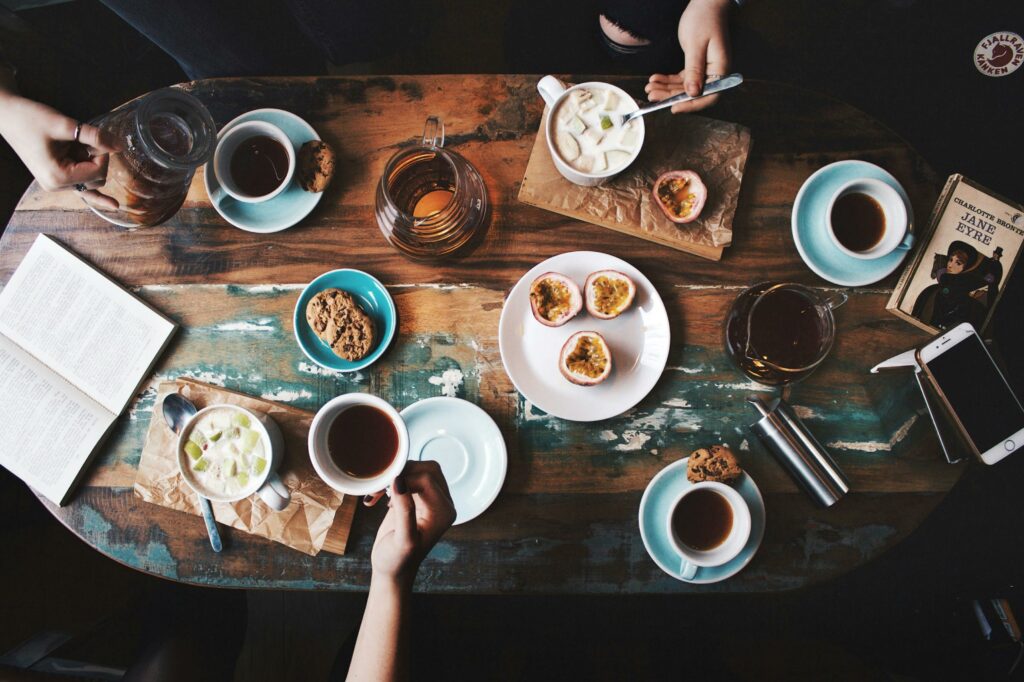
Coffee culture in Europe is rich, diverse, and deeply rooted in daily life. The continent is one of the world’s largest consumers of coffee, with Europe accounting for around 30 percent of all global coffee consumption – more than any other region. Coffee is not just a beverage here; it’s a daily ritual, a social lifeline, and part of many nations’ identities.
In northern and western European countries, coffee drinking is exceptionally high, with Finland frequently topping the charts at roughly 10-12 kg per person annually, followed closely by Scandinavia and several central European nations. From espresso shots on bustling Italian streets to slow afternoon breaks in Swedish cafés, coffee culture varies dramatically across the continent.
Ital: Espresso, Tradition & Rules
In Italy, coffee culture is both iconic and ritualistic. Coffee beans – especially Arabica and skilled espresso blends – are central to Italian café culture, and locals take great pride in their quality and roast.The Italian espresso tradition stands out worldwide as the backbone of café culture: a concentrated, rich shot served throughout the day, often consumed at the bar counter.
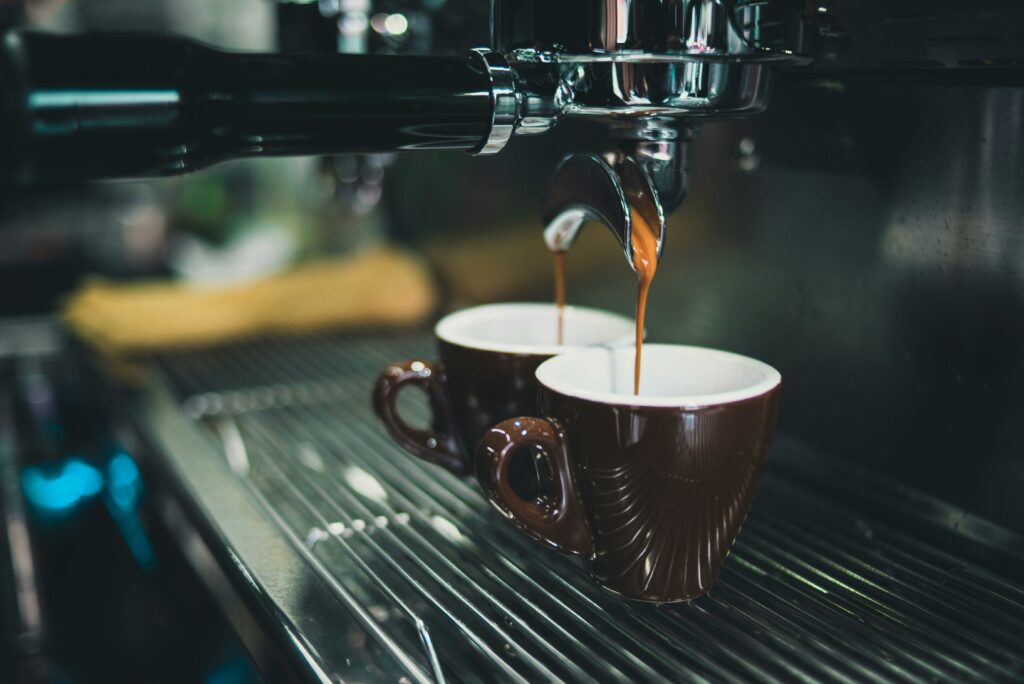
Italians tend to reserve milk-based drinks like cappuccino for breakfast hours only, typically before 11am (an almost unwritten cultural rule). Beyond timing, coffee in Italy is a social currency. Locals often greet friends with a quick espresso at a standing bar before work or during a break, blending efficiency with pleasure.
Although Italy may not have the highest coffee consumption per capita in Europe, its influence on global coffee culture is undeniable. Espresso machines and techniques pioneered here have shaped café menus around the world, with traditional roasts and bean blends still considered benchmarks of quality.
Sweden: Fika & the Social Coffee Break
Sweden’s coffee culture might seem ordinary at first glance – but it has one of the most unique traditions in Europe: fika. Fika is more than a coffee break; it’s a social institution. This designated pause, often happening mid-morning and mid-afternoon, involves coffee (typically brewed coffee rather than espresso) paired with pastries like cinnamon buns. It’s a moment to stop, converse, and reconnect with colleagues, friends, or even oneself. In many workplaces, fika is so important that it’s woven into the day’s rhythm, and in some companies, fika breaks are explicitly included in policy and culture.
Sweden’s coffee consumption is also among the highest in Europe, with up to around 8 kg per person annually. Interestingly, traditional “kokkaffe” (boiled coffee) is still enjoyed in northern regions, where coarsely ground beans are boiled and strained, producing a deeply aromatic, robust brew rooted in local heritage.

Austria: Café Culture With History
Austria, especially Vienna, boasts one of Europe’s most beloved and storied coffee traditions. Viennese coffeehouses are institutions: UNESCO even recognised this coffeehouse culture for its cultural significance. Since the late 17th century, these cafés have been not just places to drink coffee, but social hubs for thinkers, artists, writers, and everyday locals alike.
Vienna is home to a world of coffee specialities, where patrons can linger for hours enjoying a Melange (similar to a cappuccino), Einspänner (black coffee topped with whipped cream), or traditional Turkish-influenced Mokka. The historical ambience of marble tables, plush seating, and etiquette such as serving coffee on a silver tray with a glass of water, adds to the uniquely Viennese experience. These cafés are less about speed and more about conversation, reflection, and culture.
France – Café Lifestyle & Modern Neo-Cafés
In France, coffee remains a leisurely and celebrated part of daily life. Traditionally, French coffee culture revolves around cafés where people sit for espresso or café au lait while chatting, reading the newspaper, or watching the world go by. But in recent years, a neo-café movement has emerged: speciality coffee shops offering high-quality beans, artisanal roasting, and innovative drinks.
Cities like Paris and Lyon are now home to these modern cafés, which blend traditional café ambience with speciality coffee culture, appealing to younger generations and coffee enthusiasts seeking more than just a quick espresso. This trend reflects a broader shift in French coffee culture: from conventional bistros to dynamic, lifestyle-oriented coffee destinations.
Bosnia and Herzegovina – Coffee as a Social Institution
In Bosnia and Herzegovina, coffee consumption is deeply embedded in daily life and social identity, with practices closely resembling traditional Ottoman coffee rituals. Bosnian coffee is typically prepared in a džezva, a small metal pot with a wide base and long handle used specifically for brewing unfiltered coffee, and is served alongside sugar cubes or rahat lokum, a soft, gelatin-based confection similar to Turkish delight. Rather than focusing on caffeine intake, the Bosnian coffee ritual emphasises time, conversation, and social bonding.
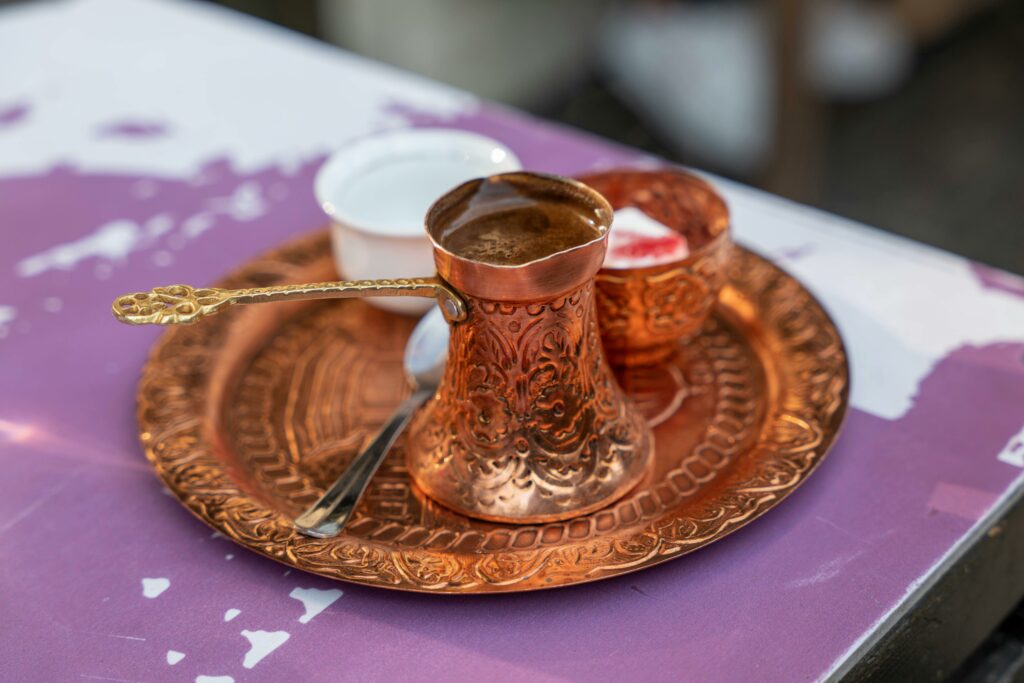
Anthropological and sociological research indicates that coffee drinking in Bosnia functions as a key social practice, shaping daily routines and interpersonal relationships, particularly in urban settings. Unlike takeaway-oriented coffee cultures, Bosnian coffee is consumed slowly and almost exclusively in social contexts, reinforcing community ties and face-to-face interaction. Studies on Balkan food traditions further highlight coffee’s symbolic role in hospitality, where sharing a cup often represents trust, openness, and respect.
Conclusion: A Continent United by Coffee, Yet Diverse in Tradition
Europe’s relationship with coffee is both vast and varied. Across the continent, coffee is deeply woven into daily life – whether as a quick espresso on a bustling Italian street, a mindful fika in Sweden, an elegant Viennese coffeehouse experience, artisanal French neo-cafés, or rich Bosnia and Herzegovina tradition. What unites these cultures is not merely the beverage itself but the social, historical, and personal rituals that surround it.
From the prominence of coffee beans and roasts in Italy to the communal value of coffee breaks in the north, each tradition enriches our understanding of how coffee shapes life in Europe. These regional variations not only highlight the cultural significance of coffee, but also show why Europe continues to lead global coffee trends both in consumption and in creativity.