Some posts on this site contain affiliate links. If you book or buy something through these links, I earn a small commission (at no extra cost to you). Take a look at my privacy policy for more information.
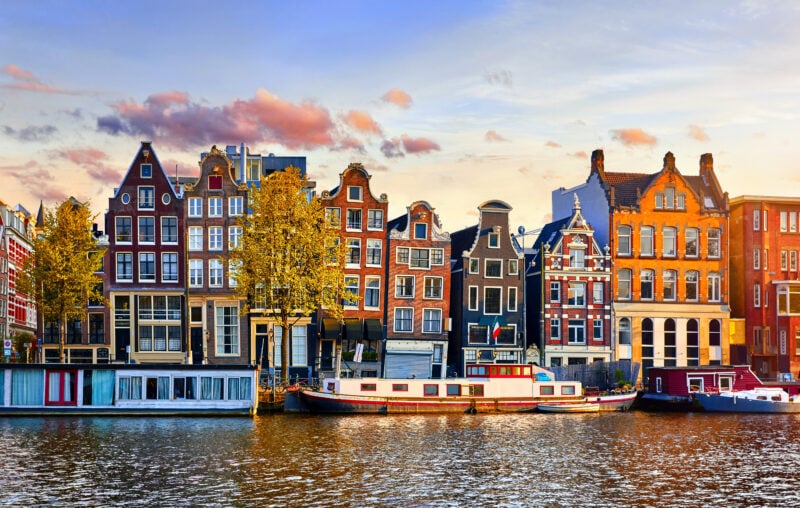
There’s a moment of hesitation between stepping off the plane and finding your footing, and that pause carries more weight when you’re travelling alone. Many have stood in brightly lit terminals, watching their phone struggle to load maps. In those initial moments, uncertainty can creep in, even for seasoned travellers.
In the Netherlands, that feeling fades quickly because the whole place moves with a steady, predictable rhythm. Signs stay clear, transport feels direct, and locals offer help with quiet confidence.
Stay Connected From The Moment You Land
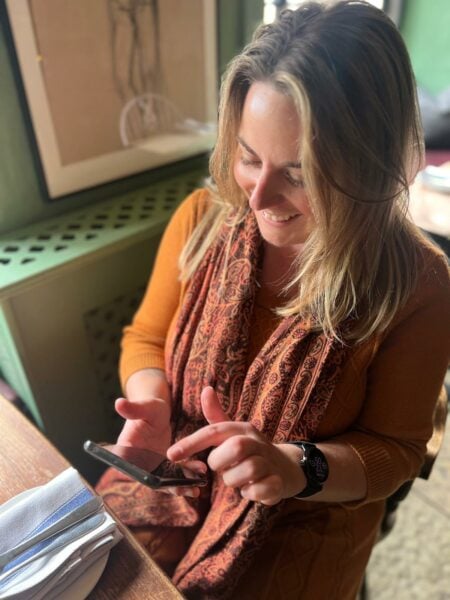
A reliable connection helps you navigate from the start. One of the easiest ways to stay connected is with a prepaid eSIM for the Netherlands from SimWallet. A Dutch provider offering unlimited data, fast 5G, and the lowest price for travel eSIMs in the country. This connection supports live navigation, app use, and quick online checks.
Standing at a tram stop in a new city with a phone that refuses to load a timetable can quickly spike stress. A reliable connection steadies decisions, keeps plans adaptable, and makes tasks like these easier:
- Checking tram and bus timings
- Following walking routes with live navigation
- Translating short phrases or menu items
- Letting someone know you’ve arrived safely
Move Around With Simple Public Transport
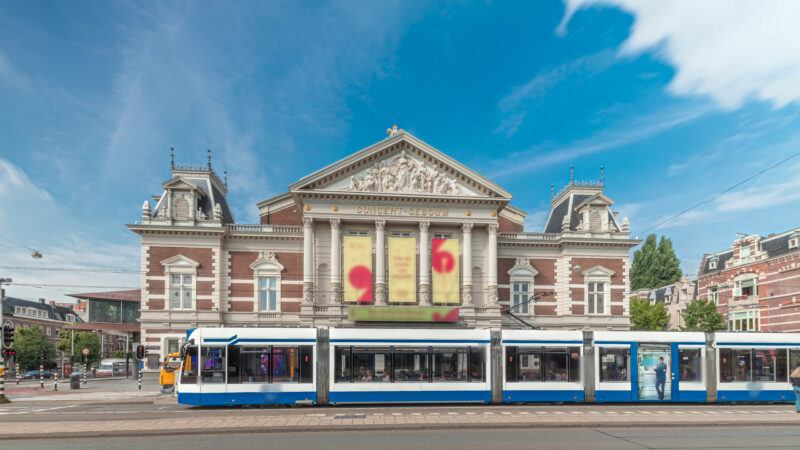
Trains, trams, and buses use bright displays that update quickly, which helps when you are still figuring out where to stand. Most travellers tap in and out using contactless cards or OVpay. Apps like 9292, NS, and Google Maps offer step-by-step instructions that match station displays.
NS trains announce each stop in Dutch and English, so you always know where you are along the route. Here are a few reminders to help you during your first day:
- Look for the yellow NS boards for train information.
- Tap your card at the start and end of every tram or bus journey.
- Stand clear of marked bike lanes near stations.
Read Dutch Signs With Ease
Dutch signs follow consistent patterns using icons and high-contrast boards, making them easy to read. Uitgang means exit. Centrum points to the city centre. Stations use boards that are easy to read.
English is widely spoken, and the Dutch have a high level of proficiency in it. If anything feels unfamiliar, you can usually find an answer within moments.
Understand Local Customs Without Pressure
Dutch customs are open and straightforward. People speak directly, which makes it easier to get clear answers when you’re adjusting to new surroundings. The cycling culture stands out. Cyclists move quickly in dedicated lanes, so staying aware of them keeps you safe on foot.
Shops and restaurants rely on card payments, so you rarely need to find a cashpoint. Cafes have a relaxed atmosphere and don’t expect guests to rush.
Find Your Feet In New Surroundings
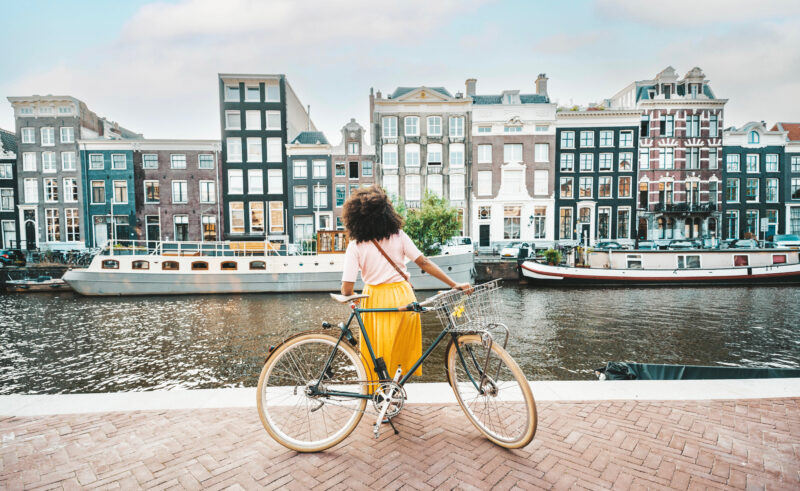
A good first step is to take a short walk around your accommodation. This eases nerves and helps you get a sense of the nearby streets. I often look for a café, a supermarket, and the closest tram stop because it makes any new area feel instantly more familiar. Your phone acts as a quiet guide, helping you stay aware of your surroundings.
If you prefer gentle early plans, consider exploring places to visit in the Netherlands and opting for smaller, manageable routes. These steps give you space to settle in comfortably.
A Calmer Pace for a Better Start
Solo travel works best when you follow a pace that feels natural and comfortable. Some travellers explore whole neighbourhoods, while others focus on just a few streets. Small habits form quickly during your first day, reducing uncertainty and helping your surroundings feel familiar.
The Netherlands makes it easy to settle in. Clear signs and smooth transport create a daily rhythm that supports solo travellers. When you feel ready, plan your route, get connected, and choose your first stop. These small choices help you feel grounded from the moment you arrive, and the rest unfolds more easily than you might expect.