Some posts on this site contain affiliate links. If you book or buy something through these links, I earn a small commission (at no extra cost to you). Take a look at my privacy policy for more information.
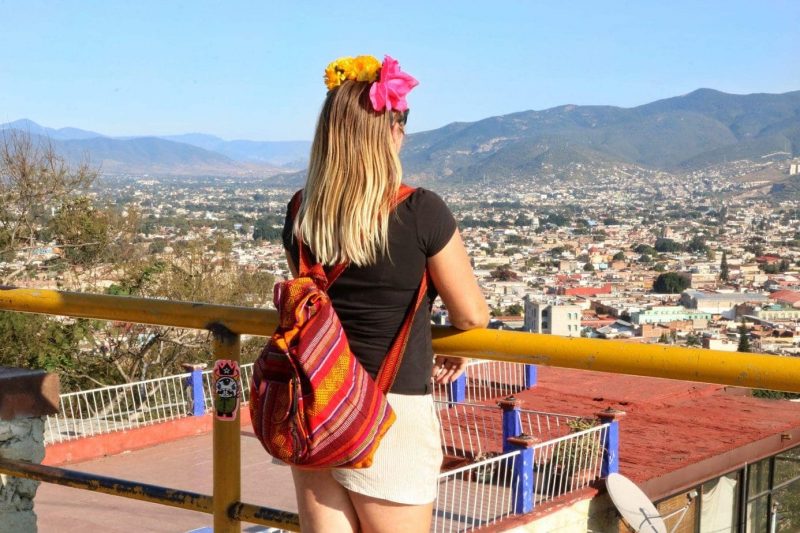
Everything you need to know to be prepared for solo female travel in Mexico – including safety tips and travel advice.
Outside of England, Mexico is the country I know the best. I’ve visited multiple times, often spending a few months at a time there. I never get bored of that magical country (or its mouth-watering cuisine!), and I’ve become a bit of an expert in travelling there!
Below, I’ve shared all my travel tips and advice for solo female travellers in Mexico. Use the contents menu to skip to the sections you need – and feel free to ask questions in the comments.
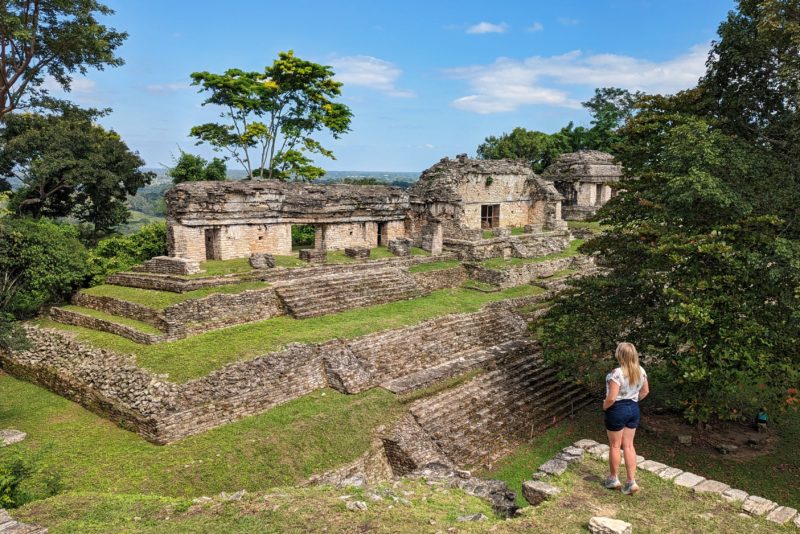
Best Destinations in Mexico for Solo Female Travellers
- Mérida – Said to be the safest city in Mexico, and one of the safest in all of North America, Mérida is one of my personal favourites. It’s beautiful, walkable, friendly, and super chilled-out. Perfect for solo travellers.
- Oaxaca City – A cultural hub famous for its colourful markets, colonial architecture, and world-class food scene. Safe and walkable, it’s ideal for solo travellers who want to immerse themselves in authentic Mexican traditions.
- Mexico City – The bustling capital blends world-class museums, vibrant neighbourhoods like Roma and Condesa, and excellent public transport. The central districts are lively and well-policed.
- San Miguel de Allende – A UNESCO World Heritage city with colourful streets, art galleries, and a thriving expat community. Its slower pace and friendly vibe make it especially appealing for solo travellers.
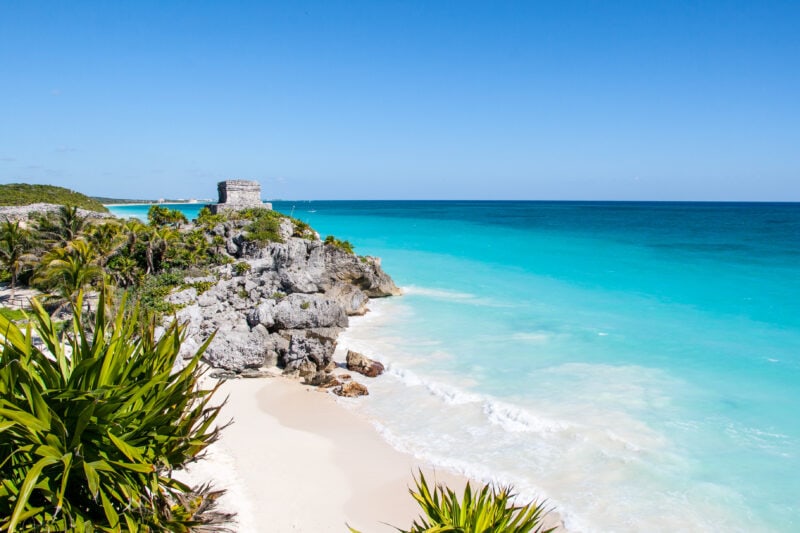
- Tulum – Famous for Caribbean beaches, yoga retreats, and Mayan ruins overlooking the sea, Tulum is popular with solo travellers. This boho-chic beach town combines relaxation and adventure – but its popularity makes it pricier than other destinations.
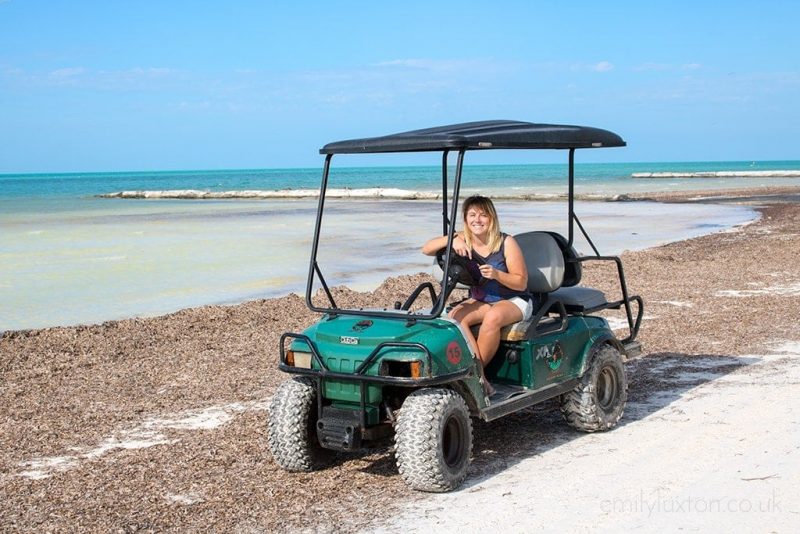
- Isla Holbox – One of my favourite places on the planet, Isla Holbox has stunning white sand beaches, incredible wildlife, epic sunsets, and almost no cars: you get around on foot, by bike, or by golf cart!
READ MORE: Best Places to Visit in Mexico
Is Mexico Safe for Solo Female Travellers?
The short answer is YES: overall, Mexico is safe for solo female travellers. However, there are a few things to be aware of, which I’ll outline below.
Mexico has an unfairly bad reputation, in my opinion. People are always telling me it’s “too dangerous” to visit, especially as a woman travelling alone. But after multiple repeat visits, often alone, I strongly disagree.
Don’t get me wrong; there are problems and potential dangers (listed below)! But there are risks for travellers in every country, and as long as you use common sense and take the right precautions, I truly believe that Mexico is a perfect destination for solo female travellers.
No matter which country you’re visiting, my advice to all solo female travellers is to remain vigilant, practice common sense, and avoid dangerous situations. I’ve included some more specific Mexico solo travel tips later in this article to help out.

Crime
-
Political demonstrations are common, particularly in Mexico City, and can potentially be violent. If you see any protests taking place, stay well away.
-
Street crime, such as pickpocketing and theft, is common in major cities and tourist resort areas. I’ll share some more specific tips to help you avoid them in the next section of this post.
-
Spiking – Criminals have robbed or assaulted travellers after spiking their food and drink. More on this below.
-
Sexual Assault – Though rare compared to petty theft, incidents do occur, particularly in nightlife districts.
-
Kidnapping is a risk in certain high‑crime states (see below), but tourists are not usually targeted. “Express Kidnappings” (short-term abductions for cash) can happen, particularly in urban areas, with criminals forcing victims to withdraw money at an ATM. Take a travel money card with a withdrawal limit, and leave your main bank card in the hotel safe!
-
Gang violence and drug crime – Cartel activity is largely concentrated in specific states like Colima and Sinaloa (see below). Tourists are rarely targeted, but violence can spill into public areas. Stick to safer regions and follow official travel advisories at all times.
-
Natural hazards – Mexico is prone to hurricanes (especially June–November in coastal regions), earthquakes, and occasional volcanic activity in certain areas. Check weather forecasts, follow local emergency guidance, and register with your embassy if travelling during hurricane season.
Top Tip: A good anti-theft bag can come in handy – look for one with slash-proof straps and hidden pockets to secure your valuables in. I like the Travelon range.
Areas of Mexico that Are Not Safe
Certain parts of Mexico are not safe for tourists due to increased cartel activity, crime, and terrorism. Colima, Sinaloa, Tamaulipas, and Zacatecas are best avoided altogether, as they are among the least peaceful states and carry a high risk to travellers, with a “Do Not Travel” warning from major government travel advisories.
As of December 2025, the UK’s FCDO (Foreign, Commonwealth & Development Office) currently advises against all but essential travel to the following states:
- Colima
- Guerrero
- Michoacán (except the city of Morelia and the town of Pátzcuaro)
- Sinaloa
- Tamaulipas
- Zacatecas
- The area within 40km of the Guatemalan border in Chiapas state.
- Parts of Baja California, including Tijuana
- Parts of Chihuahua (but not including popular tourist destinations like Chihuahua City and the Copper Canyon rail route).
- Parts of Guanajuato (mainly the southwestern regions)
- Parts of Jalisco (mainly the northern municipalities)
IMPORTANT: Always check the latest travel advisories from either the FCDO (the UK’s foreign office) or the U.S. Department of State before planning any travel.
Scams to Watch Out For
Scams targeting tourists are common in Mexico, especially in busy resort towns and transport hubs. Being aware of the most frequent tricks will help you avoid them.
-
Taxi overcharging – Some drivers refuse to use meters or quote inflated fares. Agree on the price before getting in, or use ride-hailing apps like Uber or DiDi in major cities.
-
ATM skimming – Criminals install devices to steal card details. Stick to ATMs inside banks or shopping centres, and cover the keypad when entering your PIN.
-
Fake tour operators – Street sellers may offer cheap excursions that don’t exist or cut corners on safety. Book tours through reputable companies – I like to book through GetYourGuide or Klook in Mexico so I can check recent reviews from other travellers.
-
Street distractions – Groups may try to distract you by asking for directions or spilling something, for example, while an accomplice steals your belongings. Stay alert in crowded areas and keep valuables secure. I recommend an anti-theft cross-body bag like these ones.
-
Fake police officers – Criminals may pose as police and attempt to fine or arrest you. Always ask for ID and take a note of the officer’s name, badge number, and patrol car number. Ask for a copy of the fine, which is payable later, rather than paying on the spot.
-
Money transfer scams – If your phone is stolen or hacked, criminals may contact your family or friends posing as you to request money. It might be a good idea to agree on a “codeword” with friends and family members, so they can check it’s really you in an emergency.
Drink Spiking and Alcohol Poisoning
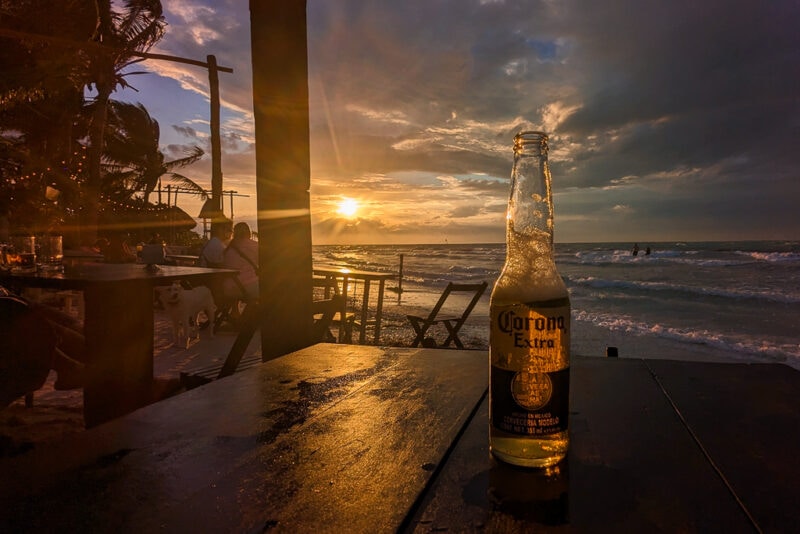
Criminals have robbed or assaulted travellers after spiking their food and drink. Other issues include tainted alcohol causing blackouts or illness, and counterfeit spirits containing methanol, which can be fatal. Spiking and counterfeit alcohol are more common in tourist nightlife areas like Cancún, Playa del Carmen, and Tulum. Click here for official advice on spiking and methanol poisoning.
- Buy sealed bottled drinks (beer, water, soft drinks) when possible.
- Stick to well-established bars where you can see what’s being poured.
- Never leave drinks unattended.
- Never accept drinks from strangers.
- Avoid drinking to excess.
- If you feel suddenly unwell or suspect spiking, seek medical help immediately and alert local authorities.
Hassle, Harassment and Assault
As a solo female traveller, unwanted attention from men was an occasional problem in Mexico, although not as bad as in other parts of Latin America (in my experience).
Thankfully, this was pretty lighthearted most of the time. However, harassment can be an issue in crowded areas, such as public transport, busy city centres, and nightlife districts. Avoid going to bars solo or walking alone at night: Uber from door to door is the best option after dark.
Top Tip: The metro in Mexico City has women-only carriages. These are usually the first car on each train and marked by a pink border.
Sexual assault is a serious issue in Mexico, with high rates nationally, but tourists are not the primary targets. However, solo female travellers should always take precautions in nightlife areas and follow official safety advice. Stick to well-lit areas and reputable venues, avoid walking alone late at night, and trust your instincts: if a situation feels unsafe, remove yourself quickly.

Health and Hygiene
Food Poisoning & Stomach Bugs
Beware “Montezuma’s Revenge” – aka “traveller’s diarrhoea“. This is by no means specific to Mexico, but food poisoning can be a risk. I got hit on my last trip to Mexico, and it was NOT a pretty picture, so I always recommend taking care!
The main tip is to avoid drinking tap water. Use bottled water to brush your teeth and avoid locally made ice cubes (most places use safe, store-bought ice).
Street food in Mexico is cheap, delicious, and usually safe, but be wary of stands where the hygiene doesn’t look up to scratch, or where meat might have been sitting out a while. Look for the busiest stands: a quick turnover means food should be fresher, and busy stands are usually popular for a reason.
Top Tip: My Water-to-Go filter bottle was my BEST FRIEND on this trip – check out my review for a 15% discount.
Vaccines
The National Travel Health Network recommends that you have a Hepatitis A, Tetanus, and Typhoid vaccination for travel to Mexico. If you live in the UK, you’ve probably already had the latter two, but make an appointment with your GP if you’re not sure.
Heat-Related Issues
Mexico can experience very high temperatures all year round, with particularly extreme heat during summer. Sunburn, heat exhaustion, heatstroke, and dehydration are all very real threats, so be careful.
Always use sun protection and cover up as much as possible, and remember to stay hydrated. If you’re sightseeing, try to plan your schedule so you avoid the midday heat. Read more in this guide from the NHS.
Tips for Solo Female Travellers in Mexico
General safety tips for female travellers
- Carry your valuables out of sight in a zipped bag (preferably cross-body). I recommend an anti-theft cross-body bag from Travelon.
- Never carry all your valuables in the same place, and keep a backup credit card in your hotel room. Click here for more tips.
- Avoid sharing your live location on social media: post your Instagram stories at the end of the day.
- Don’t meet up with anyone you don’t know.
- Never travel in an unlicensed taxi. Use a ride-hailing app like Uber*, or get the staff at your hotel/restaurant/etc to call a taxi for you. Turn on location sharing with a trusted friend or family member via WhatsApp if you’re ever concerned.
- Use reputable providers for tours and excursions.
*Take care using Uber: in some cities, local taxi drivers have been known to protest the app. Read more in this post.
Get a Local SIM or eSIM
Internet access makes travelling in Mexico much easier. It’s handy for using maps to plan your journeys, calling Ubers, and using translation apps when speaking with locals or trying to decipher signs.
You can buy a local SIM card from most international airports, as well as in convenience stores such as 7-Eleven or OXXO. The main networks are Telcel, AT&T, and Movistar.
Personally, I prefer eSIMs: you can download them to your phone and activate them as soon as you land. They can be a bit more expensive, but they’re much easier and more convenient.
eSIM Prices
Airalo: From £3.50 / $4 USD (1GB, 3 days). Use code EMILY9237 to get £2.50 / $3 off your first purchase. Read my review here.
Nomad: From £3.44 / $4.50 (1GB, 7 days). Use code EMIL96SV to get $7 off your first purchase.
Holafly: From £6 / $6.90 (unlimited data, 1 day). The plans are better value when you buy for longer: eg, 7 days of unlimited data is £24 / $29.90. Use code EMILYLUXTON to get 5% off.
Learn the local emergency numbers
Memorise or save these in your phone, in case of an emergency.
Emergencies (police, ambulance, fire): 911
Mexico City Tourist Police: (0052) 55 5207 4155
Have good travel insurance
I cannot stress the importance of travel insurance enough! If you encounter an issue – whether it’s a cancelled flight or a medical emergency – you want that covered.
I recommend Safety Wing Travel Insurance – they have policies specifically for long-term travellers, digital nomads, and backpackers, and offer good cover for more adventurous types of travel.
Avoid travelling at night
It is generally not recommended to travel at night in Mexico, especially outside major tourist zones. There are overnight buses that cover long distances, and I know many people who have taken them without issue – but I also know a couple of people who were robbed whilst sleeping on a bus. Personally, I avoid taking overnight buses.
Within towns and cities, public transport is considered less safe after dark, when petty theft and harassment may be more common. It’s probably safest to avoid taking public transport or walking alone in town centres after dark. Stick to licensed “sitio” taxis from designated stands, ask your hotel/restaurant to call a taxi for you, or use a ride-hailing app like Uber or DiDi.
The truth is, I’ve walked home after dark in several Mexican cities with no issue (always in busier, well-lit areas). However, the safest option is always to take a taxi door-to-door.
Book Tours
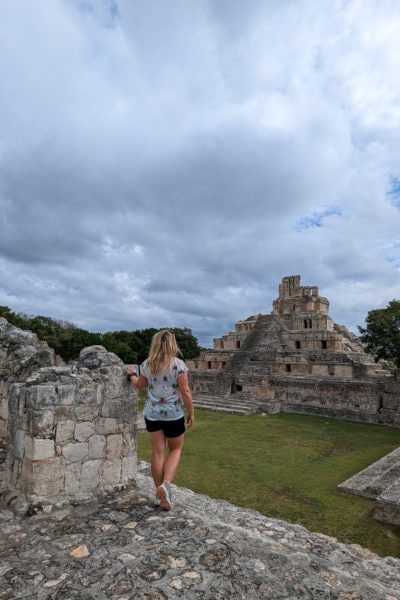
If you’re nervous about visiting Mexico as a solo female traveller, booking a few tours can make exploring easier. They’re also a great way to meet fellow travellers and make friends. On a recent trip to Campeche, I booked a tour of the nearby ruins, and the whole group ended up meeting for dinner and drinks afterwards.
Check recent reviews and make sure you’re booking a tour company with a good reputation. I prefer to use GetYourGuide and Klook to search, as they both have a great review system, which makes it easy to find the best tour companies.
KLOOK PROMO CODE: Use code EMLUXTRAVEL when you book with Klook to get 10% discount for new customers and 3% discount for existing customers.
Don’t be scared 💕
All the above advice can sound scary, especially when it’s all listed in one place. But please don’t let these warnings put you off. I’ve travelled solo in Mexico many times and never had any issues – and it really is one of the most beautiful, colourful, welcoming countries in the world.
I honestly believe that as long as you make sensible choices, take the right precautions and use your common sense, you should be perfectly safe travelling solo in Mexico.
Tips for Getting Around
Public Transport
Mexico’s public transport is extensive and affordable, making it possible to explore the country without a car. However, standards vary widely between regions, and solo travellers should take extra care, especially at night.
🚆Trains: There aren’t many passenger trains in Mexico. The most notable is the new Maya Train (Tren Maya), connecting Cancún, Tulum, Mérida, and other destinations across the Yucatán Peninsula. The train is modern and designed for tourists, but it carries a higher price tag than the bus. It can also be slower than takign the bus (depending on the journey), but it’s more comfortable and offers a more scenic ride.
Top Tip: Book Maya Train tickets online in advance, especially during peak tourist seasons, to secure seats and better prices. The official online booking site is: reservas.ventaboletostrenmaya.com.mx
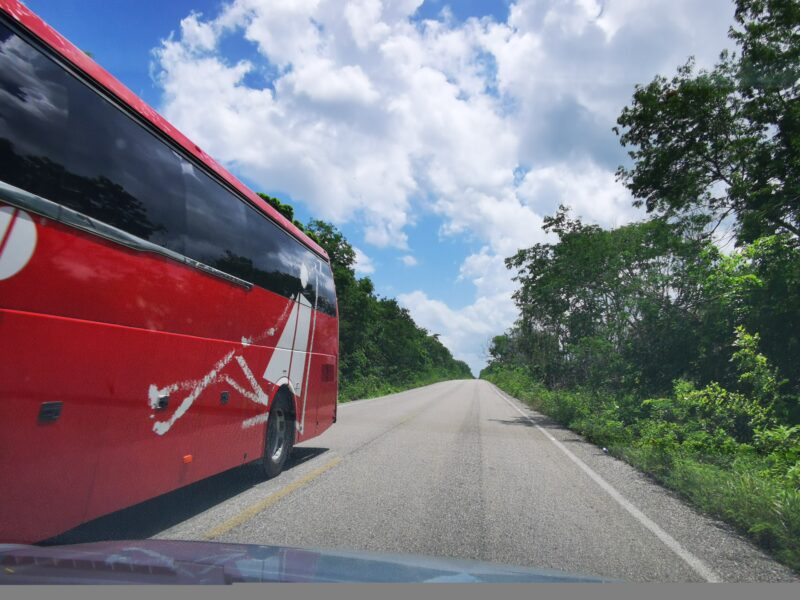
🚌 Buses: Mexico has an excellent long‑distance bus network, with companies like ADO, Primera Plus, and ETN offering reliable services between cities. Premium buses are the most comfortable (and usually don’t cost too much extra), with air-conditioning, reclining seats, and onboard toilets. They’re generally safe during the day, but avoid overnight journeys where possible. I’ve taken many ADO bus trips and have found them to be comfortbale, reliable, and safe.
Public Transport Within Towns and Cities
Mexico City has a vast metro system, one of the largest in the world. It’s cheap and efficient, but crowded and prone to petty theft. There are women-only carriages available during peak hours, which are a safer option for solo female travellers.
Other cities have bus networks and, in some cases, light rail. Standards vary, and buses can be slow or crowded. Colectivos are often a cheaper, faster, and more convenient way to get around (see below).
Colectivos
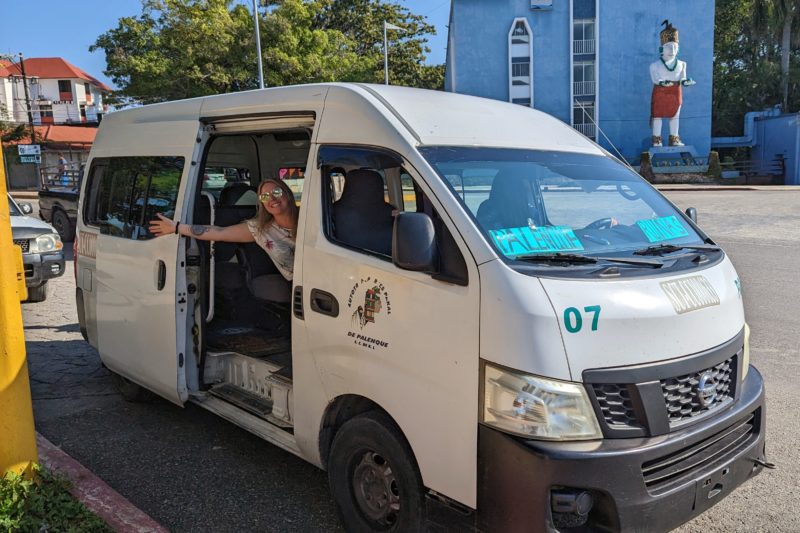
Colectivos are a kind of shared taxi or informal public transport that’s very common in Mexico, especially in the Yucatán Peninsula and around the Riviera Maya. They’re essentially minibuses or minivans that run fixed routes and usually have a (very low) fixed price – although tourists are sometimes charged more.
They are very affordable (around 20-50 pesos, depending on distance). But they’re also very low budget: there’s no AC, often no seatbelts, and vehicles can be poorly maintained. They can also be pretty cramped, as drivers will pick up more passengers than there are seats.
I’ve used colectivos many times, and I’m a big fan – they’re generally the cheapest way to get around, and they’re sometimes the only option. This is advice:
- Keep small change ready for fares; most drivers don’t have change.
- Hold onto your belongings and keep valuables out of sight.
- Avoid using colectivos after dark: opt for licensed taxis or use a ride-hailing app instead.
- If you’re unsure, ask locals or your accommodation which colectivo routes are safe and reliable.
Is there Uber in Mexico?
Yes – Uber is available in Mexico, particularly in major cities. It’s widely used, safe, and often cheaper than local taxis. However, in some cities, such as Cancun, local taxi drivers sometimes cause issues by protesting Ubers, and have even been known to forcibly remove tourists from Ubers in the past. Read my post about Uber in Cancun for the latest info.
DiDi is an alternative ride-hailing app which is commonly used in Mexico and is often cheaper than Uber. I’ve not tried it personally, but the app is popular, and several travellers have recommended it to me. I’ve heard reports that it’s less safe than Uber – but the app features the same built-in safety features, including an SOS button.
Top Tip: Set up Uber’s safety features before your trip. You can set up a PIN verification, switch on safety check-ins, and add a trusted contact with whom you can quickly share your location and trip status if you’re concerned.
How to Dress & Tips on What to Wear
Mexico’s diverse climates and cultural settings mean your wardrobe needs to be versatile. From hot, humid coasts to cooler highland cities, packing smart will keep you comfortable and help you blend in.
There are no cultural sensitivities to be aware of, but Mexico is a fairly conservative country, and you may get a lot of unwanted attention if you have a lot of skin on show. Personally, I tend to stick to lightweight maxi dresses or shorts and t-shirts.
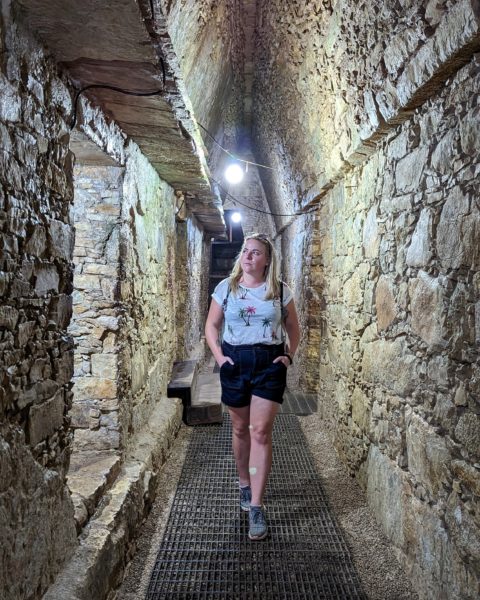
Daytime: Lightweight, breathable fabrics such as cotton or linen are ideal for the heat. A wide-brimmed hat, sunglasses, and sunscreen are essential for protection from the strong sun. Comfortable walking shoes or sandals are best for exploring towns and archaeological sites.
Evenings: Inland cities like Mexico City, San Cristóbal de las Casas, and Oaxaca can get cool at night. Pack a light jacket, cardigan, or shawl for evenings out.
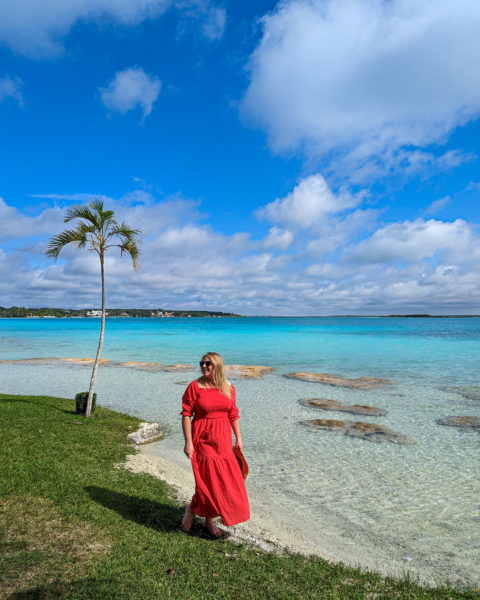
Beach & Resorts: Swimwear is fine at pools and beaches, but cover-ups are expected when walking through towns or restaurants. A casual sundress or shorts and t-shirt work well for resort areas.
Cultural Sites: Churches, indigenous villages, and archaeological sites often expect modest dress. Cover your shoulders and avoid very revealing clothing to show respect.
Safety Tip: Avoid flashy jewellery or designer bags, which can attract unwanted attention. Opt for practical cross-body bags or daypacks that keep valuables secure. I recommend an anti-theft cross-body bag like these ones for travel in Mexico.
Top Tip: Pack versatile layers so you can adapt easily between hot coastal areas and cooler inland regions.
Quick Summary: Mexico Solo Female Travel
- Mexico has its dangers, but it can be a safe destination for solo female travellers, as long as you stay alert and take precautions.
- Pay attention to the latest FCDO travel advisories, and avoid certain states altogether (like Colima and Sinaloa).
- Petty theft and pickpocketing can be a problem, especially in big cities. Always be careful with your valuables!
- Avoid taking public transport or walking alone at night.
- Read up on the common crimes and scams that affect tourists (listed above) so you can be on the alert for them.
- Take care when drinking: stick to bottled drinks when possible and never leave food or drink unattended.
- Get a local prepaid SIM or eSIM (use my referral codes above for a discount).
- Have good travel insurance.
- Remember: the emergency number is 911!
Written down all in one place, all this advice can seem pretty scary! Please don’t let these warnings make you too nervous or put you off visiting Mexico. This is a beautiful country with so many incredible destinations to discover – not to mention amazing food, a fabulously colourful culture, and gorgeous beaches! I’ve visited so many times and never felt unsafe or encountered any problems.
On the whole, Mexico is safe for solo female travellers – as long as you use common sense, stay vigilant, take care, and avoid dangerous situations!
Is there anything else you’d like to know about visiting Mexico as a solo female traveller? Let me know in the comments below, and I’ll get back to you!
Solo Female Travel Resources
Airalo – Buy a pre-paid eSIM for your destination to get online without roaming fees. Use code EMILY9237 to get £2.50 off your first purchase.
UK Government’s Travel Advice – All the most up-to-date advice about entry requirements and visas for all destinations (for British citizens).
Fit For Travel – The NHS travel advice site. Search by destination to see what vaccinations are needed and check for any health issues you need to be aware of.
Safety Wing Travel Insurance – The best insurance for long-term travellers, digital nomads, and backpackers.
Hostelworld – The best place to search for hostels & budget accommodation.
Booking.com – The best booking site for all types of accommodation. It usually has the lowest prices and the widest range.
Get Your Guide – My favourite website for booking tours. It has a fantastic range of options all over the world.
Discover Cars – Easily search for and book car hire around the world. Includes ratings/reviews for each car hire company.
XE Currency App – Simple currency conversions (works offline once synced) Apple | Android
Maps.Me – Similar to Google Maps, except it works offline (once you’ve downloaded the map). Apple | Android