
Some posts on this site contain affiliate links. If you book or buy something through these links, I earn a small commission (at no extra cost to you). Take a look at my privacy policy for more information.
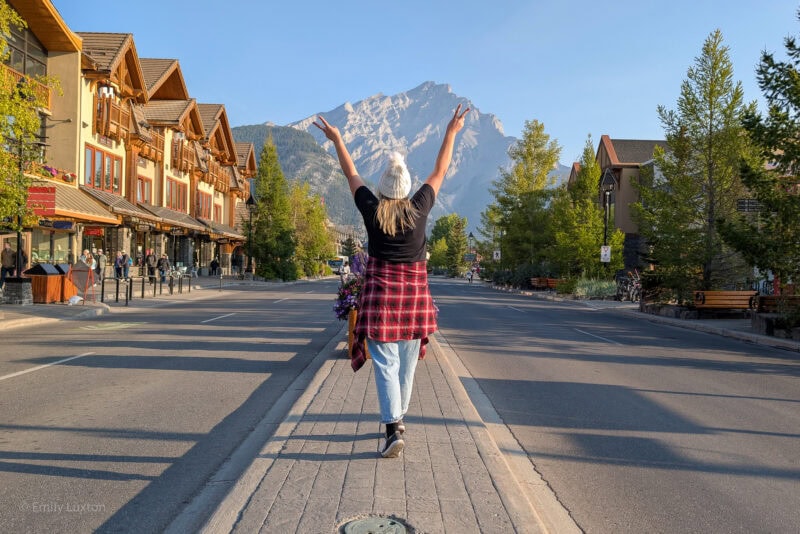
Everything you need to know to be prepared for solo female travel in Canada – including safety tips and travel advice.
Canada is one of the countries I’ve visited the most! There’s just something ruggedly adventurous about the country that keeps drawing me back. I’ve visited several times over the years, often solo, and always had the most incredible time.
It’s an ideal destination for solo female travellers. Safe, friendly, and well set up for tourists, with a solid public transport network in place and epic scenery for road trips! The main downside is that this can be quite an expensive country to visit – but the relative safety and ease of travel are big draws.
Below, you’ll find all my travel tips for solo female travellers visiting Canada for the first time. Use the contents menu below to skip to the sections you need – and feel free to ask questions in the comments.
Best Destinations in Canada for Solo Female Travellers
- Toronto – A cosmopolitan city known for its multiculturalism and vibrant arts and culture scene.
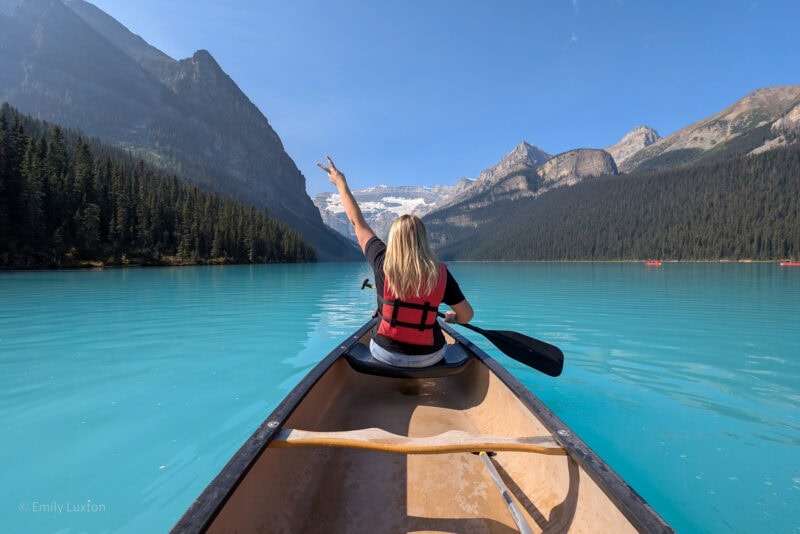
- Canadian Rockies (Banff & Jasper National Parks) – Impossibly blue lakes, snow-capped mountains, world-class ski resorts in winter, epic road trips, amazing wildlife, and cute alpine towns… what more could you possibly ask for?! National Parks might seem a bit daunting for solo travellers, but both Banff and Jasper are incredibly accessible and easy to drive around.
- Montreal – A French-Canadian city known for its historic architecture, music scene, and numerous museums.
- Vancouver – One of the coolest cities I’ve visited, Vancouver boasts both mountains and oceans. It’s laid-back and friendly, ideal for solo female travellers.
- Atlantic Canada (New Brunswick, Newfoundland and Labrador, Nova Scotia, and Prince Edward Island) – The eastern region of Canada is ideal for a road trip, with beautiful National Parks, unique wildlife, and an incredible seafood scene. The small towns and laid-back atmosphere are perfect for solo female travellers.
READ MORE: 14 of the Best Places to Visit in Canada
Is Canada Safe for Solo Female Travellers?

The short answer is YES! Overall, Canada is very safe for solo female travellers. In 2025, Canada was ranked 14th on the Global Peace Index and consistently ranks among the world’s safest countries. The national crime rate has generally declined over the last two decades (according to Statistics Canada) and is reasonably low compared to other countries. Anecdotally, I’ve visited several times (often solo) and always felt incredibly safe. In fact, I’d say this is one of the safest countries I’ve ever travelled.
However, no country is completely without crime. No matter which country you’re visiting, my advice to all solo female travellers is to remain vigilant, practice common sense, and avoid dangerous situations.
I’ve listed the main dangers and things you need to be aware of below. I’ve also included some more specific Canada solo travel tips later in this article.
Potential dangers to be aware of
-
Petty Crime: Petty theft (eg pickpocketing) and property theft are the most likely crimes for tourists to encounter in Canada. Take care of your valuables, as you would anywhere else. Click here to read my tips.
-
Extreme Weather: There is a potential for hurricanes in coastal areas (July-November), summer thunderstorms, severe winter storms (including freezing rain, blizzards, and hail), tornadoes, earthquakes, and tsunamis. These extreme events are mostly uncommon, and there are emergency preparations in place if they do occur.
-
Natural Disasters: Wildfires can happen at any time and in any region. There is also a potential for avalanches in mountainous regions. The emergency services are trained to respond to such disasters.
-
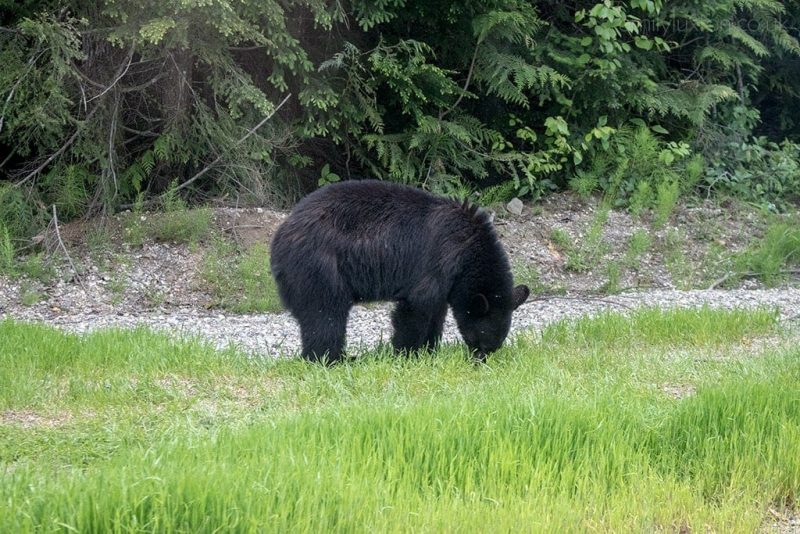
Wildlife: Canada’s wildlife can be dangerous, including bears, wolves, and moose. Generally, these animals will not bother people, but they can pose a threat. If you’re hiking or camping, research the region’s local wildlife and any precautions you need to take. You may need to carry bear spray with you if you plan on hiking.
-
Winter Sports and Outdoor Activities: Adventure sports such as skiing and snowboarding in winter and hiking, camping, and kayaking in summer are very popular. Always book through a reputable tour operator and check that the activities are covered by your travel insurance.
-
Driving in Winter: Road conditions can be dangerous in winter. Click here to read the advice for driving in winter.
Tips for Solo Female Travellers in Canada
General safety tips for female travellers
- Stay vigilant: be aware of your surroundings at all times and keep your money and valuables secure.
- Avoid walking alone at night – it’s best to stick to taxis or Uber after dark.
- Set up Uber’s built-in safety features in advance (more on this later).
- Avoid sharing your live location on social media: post your Instagram stories at the end of the day.
- Don’t meet up with anyone you don’t know.
- Don’t allow hotel or hostel staff to enter your room while you’re alone.
- Never travel in an unlicensed taxi. Use Uber or a reliable alternative – or get the staff at your hotel/restaurant/etc to call a taxi for you. Turn on location sharing with a trusted friend or family member via WhatsApp if you’re ever concerned.
- Use reputable providers for tours and excursions. Check recent reviews to make sure that the company is up to scratch!
Get a Local SIM or eSIM
Internet access makes travelling in Canada much easier. You can buy a prepaid local SIM card from kiosks at most international airports in Canada – although it’s generally cheaper to visit a phone store in the city centre. The main networks are Telus, Freedom Mobile, and Lucky Mobile.
Personally, I prefer eSIMs: you can download them to your phone, so there’s no need to change SIM cards over. They’re much easier to use and more convenient (you can switch it on as soon as you land) – and they may work out cheaper for Canada (see prices below).
READ MORE: Best eSIM for Canada
eSIM Prices for Canada
Airalo: From £6 / $7 (1GB, 3 days). Use code EMILY9237 to get £2.50 / $3 off your first purchase.
Nomad: From £3.82 / $5 (1GB, 7 days). Use code EMIL96SV to get $7 off your first purchase.
Holafly: From £6 / $7.90 (Unlimited data, 1 day). The plans are better value when you buy for longer: eg, 7 days of unlimited data is £29 / $36.90. Use code EMILYLUXTON to get 5% off.
Learn the local emergency numbers
Memorise or save these in your phone, in case of an emergency.
Emergencies: 911
For non-emergencies, contact the local police in the province you’re visiting.
Have good travel insurance
I cannot stress the importance of travel insurance enough! If you encounter an issue – whether it’s a cancelled flight or a medical emergency – you want that covered.
Important: If you plan on doing any adventure sports, winter sports (like skiing), or outdoor activities, make sure these are covered by your travel insurance provider. You may need to take out a specific policy for some activities.
I recommend Safety Wing Travel Insurance – they have policies specifically for long-term travellers, digital nomads, and backpackers, and offer good cover for more adventurous types of travel.
Take extra care in wilderness areas
I hike a lot in the UK and consider myself a pretty able hiker, but I was happy to admit I was out of my depth in Canada! This country’s epic nature is amazing, and well worth exploring, but it deserves a healthy respect!
In wilderness areas, such as National Parks, be aware of potential threats from wildlife. Stick to marked trails, secure all food out of sight, and check if you need to carry bear spray. Carry a torch with you and ensure your mobile phone is fully charged (a backup power bank is a good idea).
I highly recommend that you thoroughly research the area you’re visiting – take a look at Parks Canada for information about specific National Parks. Most national and regional parks have an information office where you can ask questions. The rangers can advise on the best trails and any potential dangers you need to be aware of.
If you’re inexperienced, I highly recommend joining a guided hike or group tour rather than heading out alone. Browse local tours on GetYourGuide or Klook.
Book Tours
Usually, I’m a big fan of exploring on my own. I’ve travelled solo to Canada several times, including a week-long solo road trip in Alberta, and always had a fantastic time. However, if you’re nervous about visiting Canada as a solo female traveller, booking a few tours can make exploring easier.
Tours can also be a great way to meet fellow travellers, and you’ll likely see more and have a better understanding of what you’re looking at with a guide. Plus, a guide is usually happy to take photos of you, which can be tough when you’re solo!
Check recent reviews and make sure you’re booking a tour company with a good reputation. I prefer to use Get Your Guide and Klook to search, as they both have a great review system, which makes it easy to find the best tour companies.
KLOOK PROMO CODE: Use code EMLUXTRAVEL when you book with Klook to get 10% discount for new customers and 3% discount for existing customers.

Don’t be scared!
There’s a lot of advice above – but PLEASE don’t let these warnings put you off. Most of the potential dangers are very uncommon and unlikely – they’re just things you should be aware of and ready for, just in case! On the whole, Canada is a very safe destination. As long as you make sensible choices, take the right precautions and use your common sense, you should be perfectly safe travelling solo in Canada.
Tips for Getting Around
Public Transport
Trains: For travelling around the country, there’s an extensive rail network operated by VIA Rail, but it can be pricey. Trains are comfortable but often slow. Solo female travellers will be relieved to hear that train travel in Canada is generally considered safe, even on overnight trains: there are strict industry regulations and security measures in place.
Bus: For more budget-friendly travel, there are buses between most major cities. The main operators are Megabus and Flixbus, as well as regional bus companies. Buses are usually comfortable and clean, and again, bus travel in Canada is considered very safe thanks to industry regulations and security measures.
Top Tip: Buy bus tickets as far in advance as you can in order to get the best prices!
In the City: Canada’s cities generally have solid public transport systems, with trams (streetcars) and buses providing an affordable and efficient way to get around.
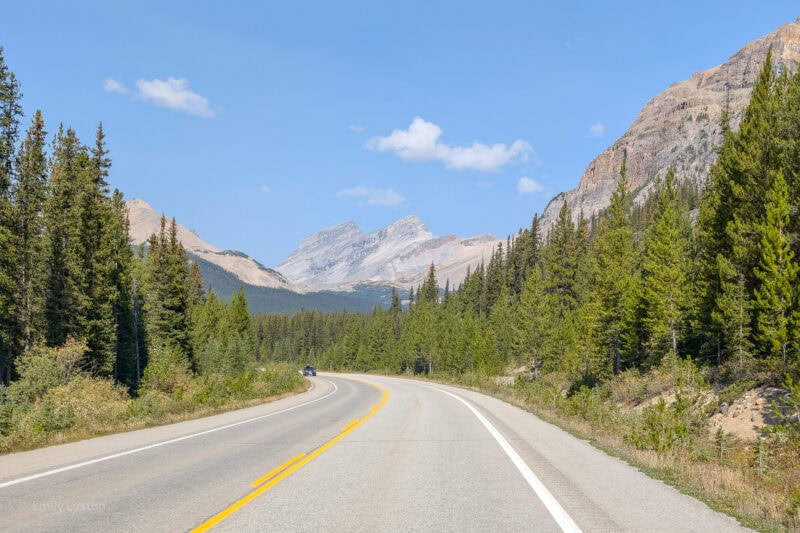
National Parks and Rural Areas: For exploring rural areas, it’s generally best to drive. However, some of the more popular national parks, such as Banff, have shuttle buses that run between some of the biggest attractions.

Driving and Road Trips
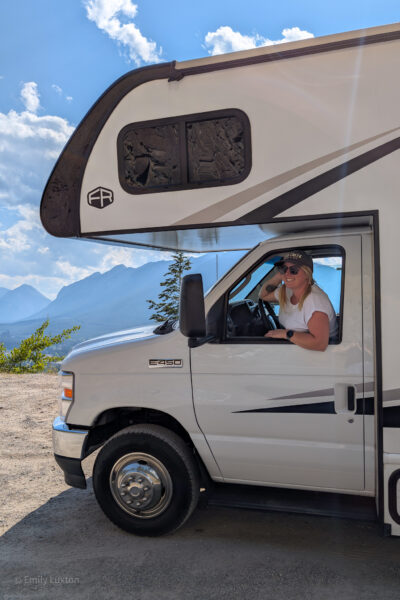
Canada was the first country where I drove a car outside of England! And I did it less than 6 months after passing my driving test (read about it here). I was SO nervous before my trip – but it really didn’t take me long to get the hang of it. Since then, I’ve taken two road trips around Alberta, including driving an RV in the Rockies!
Honestly, if I can do it, anyone can. Canada’s roads are mostly wide and often pretty straight, the driving rules are fairly straightforward, and in my experience, other drivers are usually forgiving of confused tourists. Road rage seems to be much less of a thing in Canada than the UK!
Read up on local road laws before your trip. These are the most important ones to know:
- At a 4-way intersection, the car which arrives first has the right of way.
- In Canada, they drive on the right side of the road.
- On roundabouts, you give way to the left.
- It is illegal to pass a stopped school bus.
- In most of Canada (except Montreal), you can turn right on a red light – if it’s safe to do so. You must come to a complete stop first.
Is there Uber in Canada?
Yes – Uber operates throughout Canada in all major cities. Lyft is also available, and Bolt recently announced it would soon launch in Canada. However, ride-sharing apps are less common in smaller towns and rural areas. If it’s not available, ask at your hotel or another business for someone to call you a cab.
Top Tip: Set up Uber’s Safety features in advance. You can set up a PIN verification, switch on safety check-ins, and add a trusted contact with whom you can quickly share your location and trip status if you’re concerned.
How to Dress & Tips on What to Wear
Canada is generally very casual – this is the land that lends its name to the triple-denim “Canadian Tuxedo” after all!! In my experience, people tend to dress pretty casually at all times – except at the fancier bars and restaurants in cities.
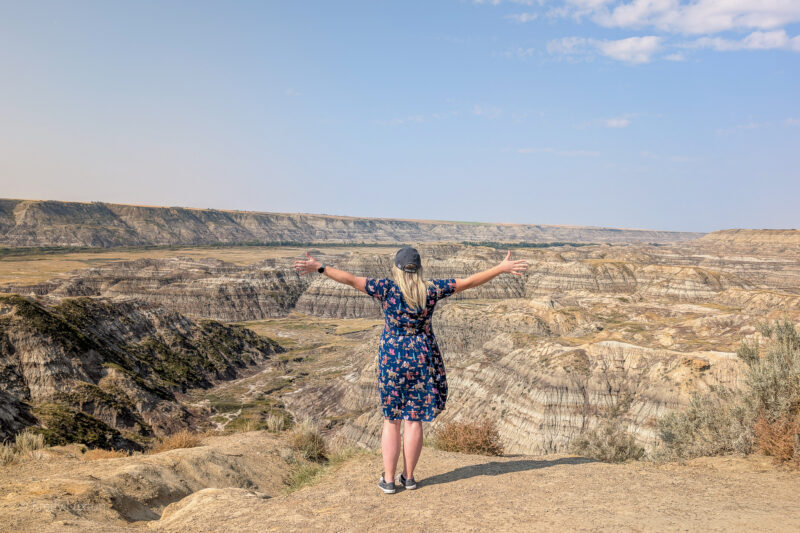
Focus on practical, comfortable clothing that can help you face up to Canada’s extreme weather! It can be very cold in winter, and very hot in summer, and the weather can change fast, especially in mountainous areas. In spring and autumn, you’ll want options to suit both warm and cold weather – I recently visited Alberta in September and found myself in a t-shirt and shorts most days, switching to a hoody and wool hat when the temperatures dropped after dark!
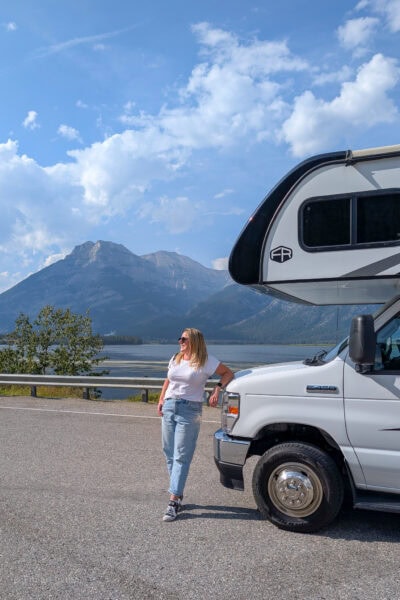
Exactly what you pack will depend on which region and what time of you’re you’re visiting. I recommend packing seasonally-appropriate layers so you can add or remove items as the weather changes.
For travel in winter, bring thermal base layers, waterproof boots, and a heavy, waterproof coat. For summer, pack breathable t-shirts and shorts, casual dresses, and a light jacket or sweatshirt for cooler evenings.
Quick Summary: Canada Solo Female Travel
- Canada is, in general, a very safe country to travel, but you should still take the same safety precautions you would take anywhere else.
- Public transport, including intercity buses and trains, is very safe.
- Get a local pre-paid SIM or eSIM (use my referral codes above for a discount).
- Have good travel insurance – and make sure it covers any adventure activities you plan to do.
- Take extra care in any wilderness areas or national parks.
- For hiking solo: Check the local guidance and/or speak to rangers at the park’s tourist office for advice on the best trails and any safety precautions you may need to take.
- Bears: You might need to carry bear spray if you’re hiking or camping in bear country.
On the whole, Canada is very safe for solo female travellers – but you should still always use common sense, stay vigilant, and avoid dangerous situations!
This is a beautiful country with so many incredible landscapes to discover – not to mention awesome adventure sports, epic road trips, and some of the friendliest and most welcoming people I’ve met on my travels! It really is one of my favourite places to travel solo.
Is there anything else you’d like to know about visiting Canada as a solo female traveller? Let me know in the comments below and I’ll get back to you!
Solo Female Travel Resources
Airalo – Buy a pre-paid eSIM for your destination to get online without roaming fees. Use code EMILY9237 to get £2.50 off your first purchase.
UK Government’s Travel Advice – All the most up-to-date advice about entry requirements and visas for all destinations (for British citizens).
Fit For Travel – The NHS travel advice site. Search by destination to see what vaccinations are needed and check for any health issues you need to be aware of.
Safety Wing Travel Insurance – The best insurance for long-term travellers, digital nomads, and backpackers.
Hostelworld – The best place to search for hostels & budget accommodation.
Booking.com – The best booking site for all types of accommodation. It usually has the lowest prices and the widest range.
Get Your Guide – My favourite website for booking tours. It has a fantastic range of options all over the world.
Discover Cars – Easily search for and book car hire around the world. Includes ratings/reviews for each car hire company.
XE Currency App – Simple currency conversions (works offline once synced) Apple | Android
Maps.Me – Similar to Google Maps, except it works offline (once you’ve downloaded the map). Apple | Android